




2–4 weeks
Prototype sprint
One core loop on a real phone, and a written read on whether the game should go further.
- Playable build
- Core loop tested
- Go or stop note
Mobile game development company
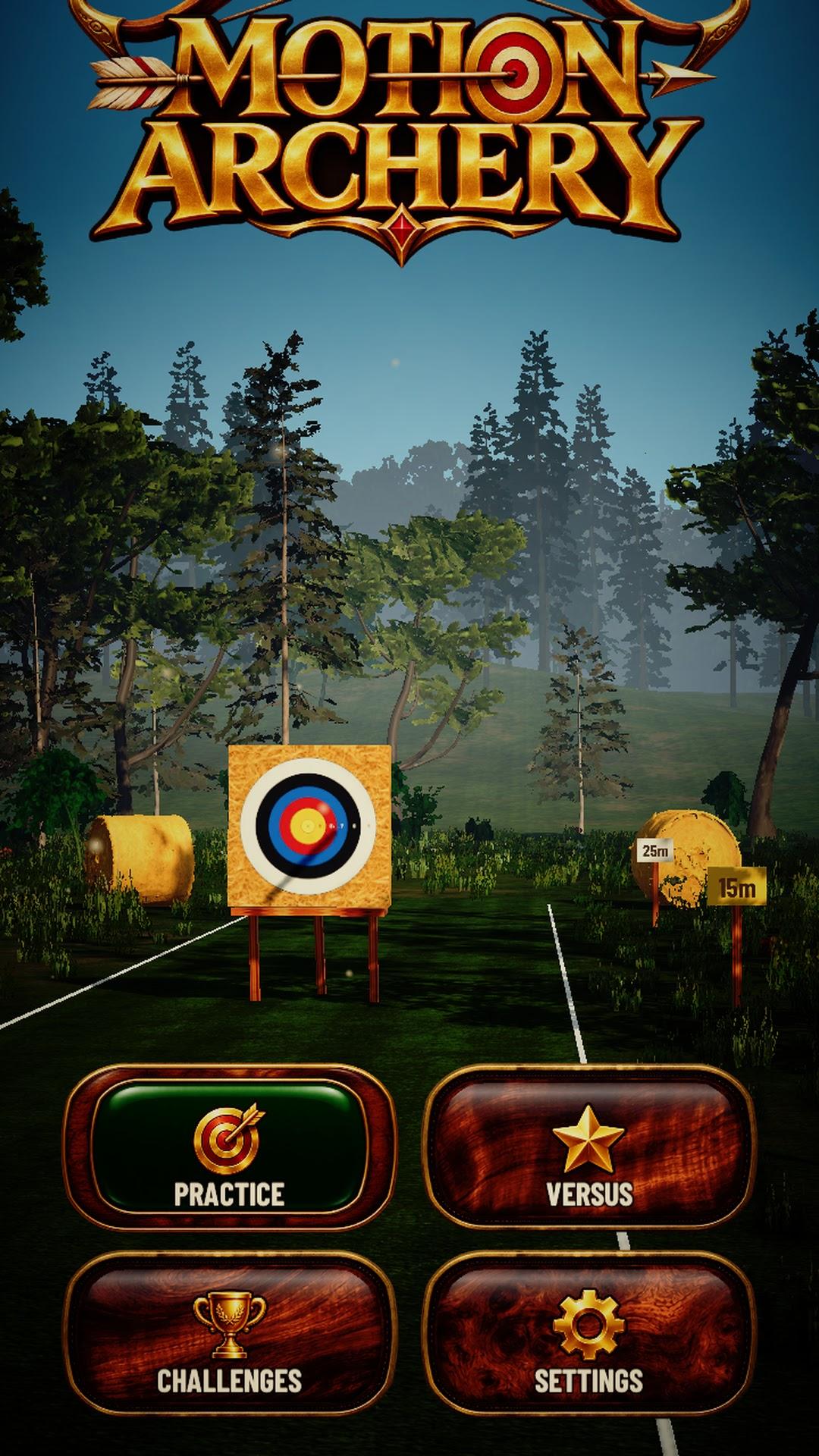
We design, build and launch mobile games for publishers, studios and brands, and we publish our own: 6 original titles on Google Play, from first-person horror to motion-controlled archery.
Proof, not a portfolio deck
Every genre on this list is one we have taken from prototype to the store, with the same people you would work with.
What you can hire us for
Most teams come to us for full-cycle mobile game development. Others need one discipline added to a production that is already moving.
Concept to store launch for Android and iOS. Design, art, engineering and the build a player can hold.
Loops, levels, progression and the reason a player takes one more turn.
Key art, environments, characters and store assets, with generative tools where they speed the work up.
Designers and engineers inside your production when the game already has a direction.
Store listings, release management and the updates that keep a game alive after launch.
Hindi and English voice, text and cultural detail, built in from the start rather than bolted on.
Why studios hire us
Software for phones since 2016, now designing, building and publishing mobile games.
6 original games, designed, drawn, voiced and engineered in-house and live on Google Play. You hire the team that made them.
Every project starts with one core loop on a real phone in two to four weeks, then a build on your device every week after that.
Touch controls from the first prototype, offline play, and motion controls that read the player’s hand through the front camera without the images leaving the phone.
Scripts, voice casting, subtitles and UI in both languages, so a game made for Indian players sounds like the people who play it.
How a project runs
If it cannot be played on a phone this week, it is not done.
01
Who plays, on what phone, and the one feeling the game has to deliver.
02
One loop, playable on a device, in a few weeks.
03
One level with final art, audio and feel, so everyone can see the game.
04
Milestones, a build every week and a board anyone can read.
05
Store pages, testing on real devices and a release checklist.
06
Fixes, events and content updates, driven by what players actually do.
Engagement models
2–4 weeks
One core loop on a real phone, and a written read on whether the game should go further.
Scoped to the game
A title taken from vertical slice to store launch, with a build every week.
Monthly
Named seats for design, art or engineering on your game, with a lead who answers.
Questions
More on each discipline on the game development services page.
It takes a game from idea to the app stores: game design, art, engineering, testing, the store launch and the updates after it. Some studios cover one part of that. We cover the full cycle, or join your team for the part you are missing.
It depends on the scope, the art style and how much content the game needs. That is why we start with a fixed-length prototype sprint of two to four weeks: you get a playable build, and a production estimate based on something real rather than a guess.
A first playable prototype takes two to four weeks. After the vertical slice, one level at final quality, we plan production in milestones, with a build on your phone every week until launch.
Yes. We build for Android and iOS, and handle store listings and releases on Google Play and the App Store as part of the launch. Our own games are live on Google Play.
Yes. Co-development puts our designers, artists and engineers inside your production, on your repo, your tracker and your milestone names, with one lead who answers to you.
horror, action, puzzle and sports games: The Corridor (psychological horror), Vendatta (stealth shooter), Color King (colour puzzle), Last Attendance (story horror), Gully Ka King (street cricket), Motion Archery (motion archery).
Start a project
Tell us who plays it and what it should feel like. We will reply with how we would prototype it.